
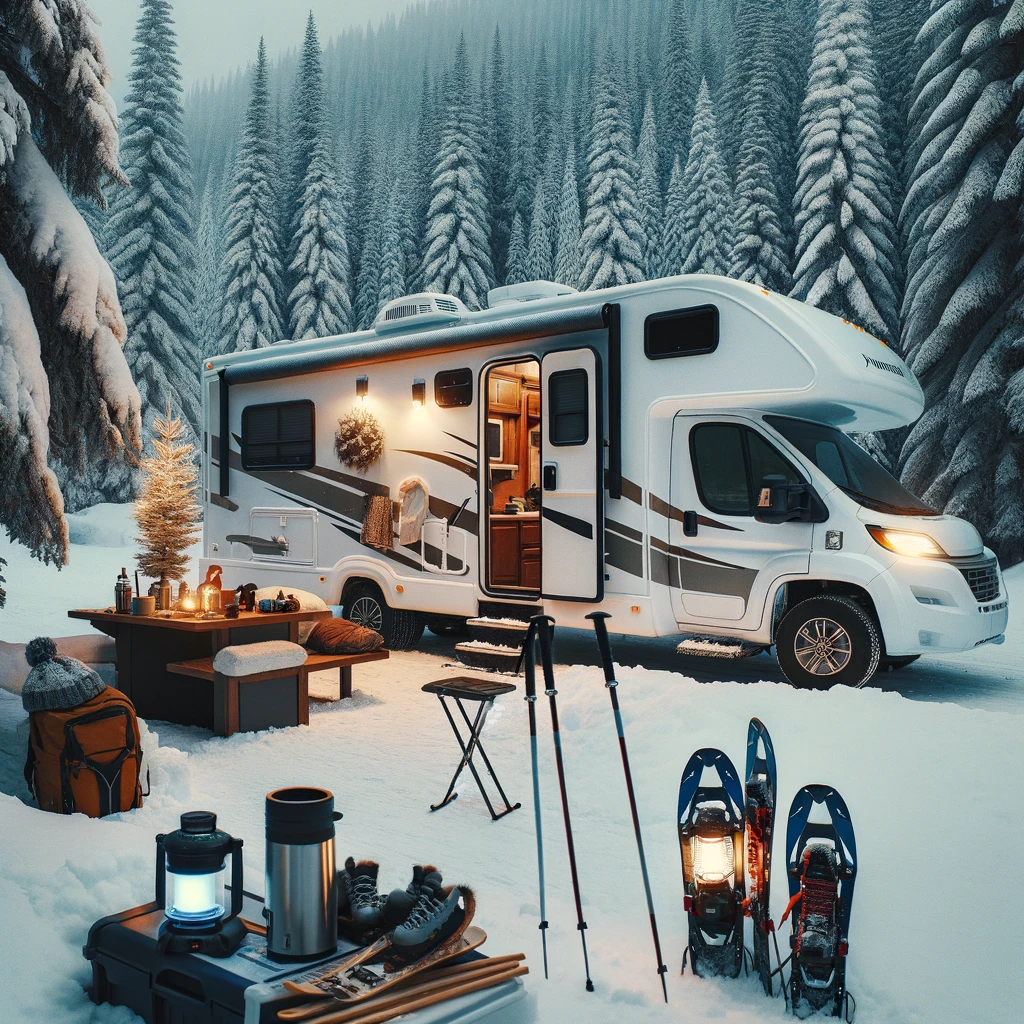
Winter camping in an RV can be a magical experience, offering the serenity of snow-covered landscapes and the thrill of cozying up in your mobile home. However, it requires careful planning and preparation to ensure a safe and enjoyable adventure. In this guide, we’ll explore the best destinations for winter RV camping, essential tips for staying warm, and valuable advice to make your cold-weather journey unforgettable.
Why Winter RV Camping?
Winter RV camping provides a unique opportunity to experience nature in a different light. Imagine waking up to a winter wonderland, enjoying quiet trails, and the peacefulness that comes with fewer crowds. It’s the perfect setting for couples looking to escape the hustle and bustle of daily life and reconnect with nature and each other.
Top Destinations for Winter RV Camping
1. Yosemite National Park, California
– Yosemite transforms into a winter paradise with snow-capped peaks and serene landscapes. The park’s designated winter camping areas offer breathtaking views and access to winter sports like snowshoeing and cross-country skiing.
2. Great Smoky Mountains National Park, Tennessee/North Carolina
– The Smokies are stunning year-round, but winter brings a special kind of beauty. With milder winter temperatures, this park is ideal for those new to winter RV camping. Enjoy scenic drives, frosty hikes, and the chance to spot wildlife.
3. Rocky Mountain National Park, Colorado
– For the more adventurous, Rocky Mountain National Park offers exhilarating winter activities such as snowshoeing and ice climbing. The park’s campgrounds that remain open during winter provide a perfect base for exploring the snow-covered wilderness.
4. Mount Rainier National Park, Washington
– Experience the grandeur of Mount Rainier in winter. The park’s snow-blanketed landscapes are perfect for snowshoeing and winter hiking. The Nisqually Entrance remains accessible, providing a gateway to this winter wonderland.
5. Acadia National Park, Maine
– Acadia’s coastal scenery is equally captivating in winter. While some facilities close, the park offers a quieter, serene experience with opportunities for winter hiking and photography.
Essential Tips for Winter RV Camping
1. Winterize Your RV
– Insulate: Ensure your RV is well-insulated. Use foam boards, RV skirts, and heavy-duty window covers to keep the cold out.
– Plumbing: Protect your plumbing by using RV antifreeze in your tanks and insulating your pipes. Consider a heated water hose to prevent freezing.
– Heat: Make sure your RV’s heating system is in good working order. Portable heaters and heated blankets can provide extra warmth.
2. Pack Appropriately
– Clothing: Layer up with thermal underwear, fleece, and waterproof outer layers. Don’t forget hats, gloves, and warm socks.
– Gear: Bring snowshoes, ice cleats, and trekking poles for safe winter hiking. A portable shovel and ice scraper are essential for clearing snow and ice around your RV.
3. Stay Safe
– Weather Awareness: Keep an eye on weather forecasts and be prepared for sudden changes. Avoid traveling during severe weather conditions.
– Emergency Kit: Pack an emergency kit with extra food, water, blankets, a first aid kit, and a portable battery charger.
– Road Safety: Ensure your RV is equipped with snow chains or winter tires. Drive cautiously and be mindful of icy roads.
Tips for Winter Camping Outside RV Parks
Winter camping doesn’t have to be limited to RV parks. Many national and state parks, as well as dispersed camping areas, offer fantastic winter camping opportunities.
1. National and State Parks
– Permits and Regulations: Check if the park requires special permits for winter camping. Some parks may have specific regulations regarding winter camping, such as designated areas or limited services.
– Facilities: Be aware that some park facilities may be closed or have limited services during the winter. Plan accordingly and be prepared to be self-sufficient.
2. Dispersed Camping
– Location: Find suitable dispersed camping areas through resources like the U.S. Forest Service or Bureau of Land Management websites. These areas often offer solitude and stunning natural beauty.
– Leave No Trace: Practice Leave No Trace principles to protect the environment. Pack out all trash, minimize campfire impact, and respect wildlife.
3. Boondocking
– Preparation: Boondocking in winter requires extra preparation. Ensure your RV is fully stocked with essentials, and have a reliable power source, such as a generator or solar panels.
– Water Supply: Plan for your water needs. Use water-saving techniques and have extra water storage if needed.
Making the Most of Your Winter RV Experience
1. Stay Cozy Inside
– Ambiance: Create a warm and inviting atmosphere inside your RV with cozy blankets, fairy lights, and your favorite hot beverages.
– Activities: Bring along board games, books, and movies for those cozy nights in. Cooking hearty meals can also be a delightful way to stay warm.
2. Enjoy Outdoor Adventures
– Snow Sports: Embrace winter sports like skiing, snowboarding, and snowshoeing. Many winter RV destinations offer trails and slopes for these activities.
– Wildlife Watching: Winter provides unique opportunities for spotting wildlife. Keep your camera handy to capture the beauty of animals in their winter habitats.
Our Thought
Winter RV camping is a unique and rewarding experience that allows you to enjoy the beauty of nature in its most tranquil state. With the right preparation and mindset, you can create unforgettable memories and embrace the peacefulness of the winter season. So pack up your RV, bundle up, and embark on a winter adventure that will warm your heart and soul.
If you have any questions or need further tips for your winter RV camping trip, feel free to reach out to us. We’re here to help you make the most of your travels and live your ultimate freedom life.
With love,
Your friends on the road,
Todd & Naty Ross