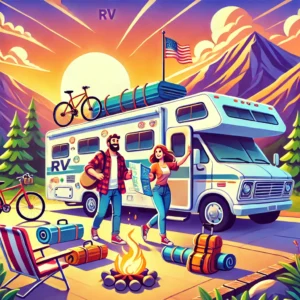
LIVING IN AN RV
Ultimate Guide to Booking and Renting Your First RV
Hey there, fellow adventurers! Ready to hit the open road with an RV? Whether you’re new to this or a

There is not much I can say that will truly describe how amazing it is to live in an RV with a different backyard each week. If it’s not the beautiful lakes and rivers or the mountain views, then it’s 5 feet parked on the sand next to the ocean waves hitting the shore 10 feet away! Owning an RV has given Naty and I the opportunity to see things that most people only dream about because where we go often times there is no hotel remotely close by. Travel without restrictions is incredible freedom and owning an RV gives us that every time.
However, it’s not all scenic routes and starlit nights; the costs of maintenance and the need for strategic planning can’t be overlooked. Whether it’s adjusting to compact living or managing upkeep expenses, the RV lifestyle is a thrilling yet measured journey. Ready to roll into your next adventure with eyes wide open? Reach out to us on Instagram and we will be more than happy to provide the answers to your questions.
Hey there, fellow adventurers! Ready to hit the open road with an RV? Whether you’re new to this or a
Ever dreamed of waking up to a new view every morning? The freedom of roaming in an RV is thrilling, but figuring out how to start can be a real head-scratcher. What do you do with your house? How about your fur-babies? How do you pick the perfect RV? What about internet on the go? If these questions are spinning in your head, you’re in good company.
We’ve navigated these roads before, and we’re here to steer you through every twist and turn.
 60-Minute 1:1 Full-Time RV Coaching Call – $97
Press Here and Send your request
Send your request and we will contact you to schedule the call
Getting into the full-time RV swing is a big move. We’ve packaged four detailed sessions to ease you into this exciting lifestyle, covering everything you need—and then some, with a bonus session tailored just for your unique questions!
Don’t let the bumps in the road deter you from the journey of a lifetime. Book your coaching call now and shift your RV life into high gear!.
Owning an RV can be a dream come true, offering unparalleled freedom to travel and explore. But before you invest in this mobile lifestyle, it’s essential to understand both the benefits and challenges that come with RV ownership. This comprehensive guide will help you make an informed decision.
An RV provides the comfort and familiarity of home no matter where you are. Modern RVs come equipped with amenities like bedrooms, bathrooms, full kitchens, and entertainment systems. Whether you prefer a simple camper or a luxurious motorhome, there’s an RV to match your needs.
One of the greatest perks of owning an RV is the ability to travel on your own schedule. No more booking hotels or flights – just pack up and go. This flexibility allows for spontaneous trips and the freedom to explore off-the-beaten-path destinations.
While the initial investment can be significant, traveling by RV can save money in the long run. No need for expensive hotel stays or dining out every meal. You can cook your own food and stay in campgrounds, which are often more affordable than hotels.
The RV community is known for its friendliness and camaraderie. Many RV parks and campgrounds host social events, creating opportunities to meet fellow travelers. Online forums and groups also provide a space to share tips and stories.
For remote workers, an RV offers the ultimate mobile office. With a reliable internet connection, you can work from stunning locations like national parks, beaches, or mountain ranges. Imagine having an ever-changing office view!
RVs enable you to visit places that are off the typical tourist track. Discover hidden gems, enjoy outdoor activities, and immerse yourself in nature. The adventures you embark on will create memories that last a lifetime.
If you’re not using your RV full-time, you can rent it out through platforms like RVshare or Outdoorsy. This can help offset ownership costs and even generate extra income. Some owners report making thousands of dollars annually by renting out their RVs.
The cost of purchasing an RV can be substantial, ranging from tens of thousands to over a hundred thousand dollars. Financing typically requires a significant down payment and monthly payments. Additionally, there are costs for insurance, maintenance, and repairs.
RVs need regular upkeep, including engine maintenance, appliance repairs, and routine checks of plumbing and electrical systems. The maintenance can be time-consuming and expensive. It’s essential to factor in these costs when budgeting for an RV.
When not in use, an RV needs to be stored. If you don’t have space on your property, you’ll need to rent storage, which can cost between $50 and $250 per month depending on the location and type of storage.
RVs are not known for fuel efficiency, with many averaging between 6 to 14 miles per gallon. Long trips can become costly, especially with fluctuating fuel prices. Apps like GasBuddy can help you find the cheapest fuel options along your route.
Like cars, RVs depreciate over time. The value of your RV will decrease, often significantly, the moment you drive it off the lot. This depreciation means that you may owe more on your RV loan than the vehicle is worth.
Driving or towing an RV can be intimidating, especially for first-timers. Large motorhomes and fifth wheels require more skill to maneuver, and driving in heavy traffic or through narrow roads can be stressful. However, with practice and experience, these challenges can be overcome.
Staying at campgrounds isn’t free, and the fees can add up, particularly at sites with more amenities. Additionally, popular campgrounds can be booked months in advance, making spontaneous travel plans more difficult.
Owning an RV offers an exciting and flexible way to travel and live. However, it also comes with significant responsibilities and costs. By understanding both the pros and cons, you can make a well-informed decision that aligns with your lifestyle and travel goals. If you’re ready to embrace the RV life, the open road awaits you!
With love,
Your friends on the road,
Todd & Naty Ross
For more detailed information and to connect with fellow RV enthusiasts, check out these resources:
– RVshare: https://rvshare.com/
– Outdoorsy: https://www.outdoorsy.com/
– Escapees RV Club: https://escapees.com/
– RV Life: https://rvlife.com/
By thoroughly researching and planning, you can enjoy all the benefits of RV ownership while minimizing the drawbacks. Happy travels!
The Real Cost of Living in an RV: Considerations, Value Tips, and Essential Insights
Living in an RV is a dream for many young couples seeking freedom from the corporate grind, but understanding the true cost of this lifestyle is essential. Whether you’re considering part-time RVing or diving into full-time nomadic life, this guide will help you navigate the financial aspects of RV living, offering practical tips to manage expenses and maximize value.
Key Takeaways
Initial Costs: The Investment in Freedom
The first step in your RV journey involves understanding the initial costs. These can vary widely depending on your choices and needs.
Purchasing the RV: The cost of an RV can range from $10,000 for a used camper to over $100,000 for a new, fully equipped motorhome. Consider your budget and needs carefully. Websites like RV Trader, Camping World, and RVUSA offer a wide range of options to explore.
Financing and Insurance: If you’re financing your RV, factor in monthly payments and insurance costs. Insurance rates depend on the RV type, age, and coverage level. Shop around on websites like Good Sam and RV Insurance for the best rates.
Outfitting Your RV: Initial setup costs include purchasing essentials like kitchenware, bedding, tools, and camping gear. Plan for these expenses to avoid surprises. Retailers like Amazon, Walmart, and REI are great places to find RV-specific gear.
Ongoing Expenses: Life on the Road
Living in an RV involves various ongoing expenses that can impact your budget.
Campground Fees: Nightly fees can range from $10 at basic sites to over $50 at premium locations. Consider membership programs like Passport America and Thousand Trails to save on long-term stays.
Fuel Costs: Fuel is a significant expense, especially if you’re traveling frequently. Calculate your estimated travel distances and fuel consumption. Use apps like GasBuddy to find the cheapest fuel prices along your route.
Maintenance and Repairs: Regular maintenance is crucial for your RV’s longevity. Set aside a budget for routine checks and unexpected repairs. Websites like RV Repair Club and iRV2 offer maintenance tips and tutorials.
Utilities and Connectivity: Plan for utilities like propane, electricity, and water. Reliable internet is essential for remote work; consider mobile hotspots and satellite internet services like Starlink. Check RV Mobile Internet for connectivity options.
Food and Groceries: Cooking in your RV can save money, but occasional dining out is part of the experience. Plan meals and shop smart. Apps like Mealime and Instacart can help with meal planning and grocery delivery. For regular groceries, Amazon and Walmart are excellent options.
Value Tips: Saving Money on the Road
MAXIMIZE YOUR BUDGET AND ENJOY THE RV LIFESTYLE WITH THESE PRACTICAL TIPS:
Boondocking: Also known as dry camping, boondocking involves staying at free or low-cost sites without hookups. Use apps like Campendium and FreeCampsites.net to find boondocking locations.
Membership Programs: Join RV membership clubs for discounts on campgrounds, fuel, and services. Good Sam Club, Harvest Hosts, and Escapees RV Club offer valuable savings.
DIY Repairs: Learn basic RV maintenance and repairs to save on service costs.
Travel Slower: Reduce fuel costs by staying longer at each location. This also allows you to fully explore and enjoy each destination.
Use Rewards Programs: Take advantage of rewards programs for fuel, groceries, and camping. Programs like Pilot Flying J and KOA Rewards can add up to significant savings.
ESSENTIAL CONSIDERATIONS: IS RV LIVING RIGHT FOR YOU?
Before making the leap, consider these factors to ensure RV living aligns with your lifestyle and goals:
Space and Comfort: Evaluate your need for space and comfort. RV living requires adjusting to a smaller, more flexible living area.
Work-Life Balance: Ensure you can maintain a productive work environment. Designate a specific workspace and invest in reliable connectivity. Tools like Notion, Slack, and Zoom are essential for productivity and communication.
Financial Stability: Assess your financial situation and ensure you have a buffer for unexpected expenses. Track your spending and budget carefully using apps like Mint and YNAB.
Social Connections: Consider how you’ll maintain social connections. The RV community is supportive and can provide a sense of camaraderie. Join online forums and attend meetups to build your network.
COMMUNITY AND SUPPORT: LEVERAGING RESOURCES
The RV community is a valuable resource for both new and experienced RVers. Engage with fellow travelers for advice, support, and friendship.
Online Forums: Join forums like iRV2 and RV.net to connect with other RVers, ask questions, and share experiences.
Social Media Groups: Follow RV groups on Facebook, Instagram, and YouTube. Channels like Drivin’ and Vibin’ and Gone with the Wynns offer inspiration and practical advice.
Local Meetups: Attend RV rallies and meetups organized by clubs like Escapees and FMCA to build connections and learn from others.
Our Thoughts: Living in an RV offers unparalleled freedom and adventure, but it’s essential to understand the costs and prepare accordingly. By managing expenses, leveraging resources, and planning carefully, you can make the most of the RV lifestyle without compromising your financial stability. Whether you’re just starting or already on the road, these tips and insights will help you navigate the journey with confidence.
With love,
Your friends on the road,
Todd & Naty Ross
Traveling by RV has an environmental footprint, from fuel consumption to waste disposal. It’s important to adopt eco-friendly practices, such as minimizing waste, using solar power, and choosing campgrounds that promote sustainability.
Each state has different regulations regarding RVs, including registration, insurance, and road use. Make sure to familiarize yourself with these laws to avoid fines and legal issues.
Reliable internet is crucial for remote workers. While many campgrounds offer Wi-Fi, the connection can be slow or unreliable. Consider investing in mobile hotspots or satellite internet to ensure you stay connected.
Living in an RV requires a significant lifestyle adjustment. Space is limited, and you’ll need to downsize your belongings. It’s essential to be comfortable with a more minimalist lifestyle and to ensure that all occupants are on board with this change.
Deciding whether owning an RV is a good idea ultimately depends on your personal circumstances and preferences. To determine if RV ownership is right for you, carefully weigh the pros and cons outlined above.
Consider this: Renting an RV before making a purchase is a great way to experience the lifestyle firsthand. It allows you to test the waters without the long-term commitment and associated costs. Additionally, if you plan to use an RV only a few times a year, renting might be the most practical and cost-effective way to enjoy the RV lifestyle without the ongoing responsibilities of ownership.
By taking these steps, you can make a well-informed decision that aligns with your travel goals and financial situation.
Final Advice:
Embrace the adventure and make a decision that brings you joy and fulfillment on the road.
Ready to dive into the RV lifestyle but feeling overwhelmed?
We’ve been there too. At The Nomad Preneurs, we’re here to make your transition smooth and exciting. Here are our top 10 tips that we wish we knew when we started. Buckle up, because this is going to be an incredible journey!
Is buying an RV your dream, or are you testing the waters first? Here’s how to decide! Your first decision is crucial: should you buy or rent an RV? Frequent adventurers might find purchasing more economical in the long run. If it’s a one-time trip, renting is a no-strings-attached option. Always choose a reputable dealer to avoid unnecessary hassles and ensure a smooth experience.
Value Tip: Renting an RV first allows you to try different models and layouts, helping you make a more informed decision if you choose to buy later. Additionally, renting provides the flexibility to explore various RV types to see which best suits your travel style and needs.
Overwhelmed by RV options? Let’s simplify your choice! The market is brimming with RV models. Start by considering your camping style and group size. Solo or duo travelers might prefer a camper van, while larger groups should look into fifth wheels or Class A motorhomes. Think about the amenities you’ll need and visualize your trip to ensure your RV fits all your needs perfectly.
Value Tip: Create a priority list of must-have features versus nice-to-have amenities. Consider factors like kitchen facilities, bathroom size, storage space, and sleeping arrangements to help narrow down your options. Also, test-drive different models to get a feel for handling and comfort.
Avoid rookie mistakes! Know your RV before you hit the road. Before you set off, familiarize yourself with your RV. Understand its features and practice driving, especially maneuvering and backing up. This preparation reduces operational errors and ensures a smoother, safer trip.
Value Tip: Take a weekend to camp in your driveway or a nearby campsite before your big trip. This will help you get used to your RV’s systems and address any issues that might arise in a controlled environment.
Pack like a pro with these must-have RV essentials! Packing for an RV trip requires a blend of necessity and efficiency. Essentials include a freshwater hose, RV water filter, shore power cord, surge protector, and sewer hose. Don’t forget household items like kitchen utensils and cleaning supplies. Use a checklist to avoid leaving any crucial items behind.
Other important RV essentials include:
Value Tip: Use collapsible and multi-purpose items to save space. For example, collapsible kitchenware, foldable chairs, and a compact tool kit can maximize your RV’s storage efficiency.
Spontaneity is fun, but planning is key to a stress-free adventure! While spontaneous trips are exciting, planning can save you from potential pitfalls. Budget your expenses, map out your route, and identify essential stops. This foresight ensures a more relaxed and enjoyable trip.
Value Tip: Utilize travel apps and GPS systems designed for RVs, which can help you find RV-friendly routes, campgrounds, and amenities. Apps like RV Trip Wizard and Roadtrippers are excellent for route planning and finding attractions along the way.
Find your perfect campsite every time with these insider tips! With the surge in RV camping popularity, campsites fill up fast. Determine your needs: do you require full hookups, or do you prefer boondocking? Apps like The Dyrt help you find the perfect spot, ensuring your camping style matches your chosen site.
Value Tip: Book your campsites well in advance, especially during peak travel seasons. Research the amenities and reviews of each site to ensure it meets your expectations and provides the necessary facilities.
Protect your adventure! Here’s why RV insurance is non-negotiable. Insuring your RV is essential. Whether renting or owning, insurance provides peace of mind. Accidents can happen, and having coverage ensures you’re protected against unforeseen issues, making your trip worry-free.
Value Tip: Check if your auto insurance policy can be extended to cover your RV. Some insurance providers offer bundled packages that can save you money while providing comprehensive coverage.
Unlock exclusive perks and a supportive community by joining these RV clubs! RV clubs offer numerous benefits, from campsite discounts to community connections. Clubs like Passport America, Thousand Trails, and Escapees provide resources and networks that can significantly enhance your RV experience.
Examples of RV Clubs:
Value Tip: Joining multiple RV clubs can offer a range of benefits from various discounts to community support and exclusive events. Evaluate the perks of each club to find the ones that align with your travel goals and lifestyle.
Avoid road trip disasters with these maintenance tips every RV owner should know. Regular maintenance keeps your RV in top condition. Familiarize yourself with basic tasks and keep a toolkit handy. This preparedness ensures minor issues don’t turn into major problems, keeping your journey smooth.
Value Tip: Schedule regular maintenance checks and keep a log of any repairs or upgrades. Preventive maintenance can help avoid costly repairs down the road and ensure your RV remains reliable.
Discover the joy of RV life by connecting with fellow adventurers! The RV lifestyle is about freedom, adventure, and community. Connect with fellow RVers, share experiences, and learn from each other. Online forums, social media groups, and meetups are great ways to become part of this supportive network.
Value Tip: Attend RV rallies and events to meet other RV enthusiasts. These gatherings offer opportunities to exchange tips, discover new travel destinations, and build lasting friendships.
Embarking on your first RV trip is an adventure filled with freedom and discovery. These tips will help you navigate your journey with confidence and joy. Remember, every RV adventure is a learning experience. Embrace the journey, stay flexible, and most importantly, have fun!
Starting your RV journey might feel daunting, but with careful planning and these essential tips, you’ll be well on your way to an unforgettable adventure. Embrace the freedom, enjoy the ride, and remember, we’re here to help every step of the way. Happy travels!
With love,
Your friends on the road
Todd & Naty Ross
We’d love to hear about your RV adventures! Share your stories and reach out if you have any questions. We’re here to help you make the most of the RV lifestyle.
While 2022 was still one of the best years financially for RV manufacturers, 2023 shipments look dismal so far, with RV shipments down by 42.8% for the year (through September), totaling 238,121 units. This sharp decline in shipments is reminiscent of the 2007-2009 financial crisis and recession.
That said, RVIA President & CEO Craig Kirby reminds us that “RVing has remained a preferred way to travel for more than 44 million Americans planning RV trips this summer. Our latest RV shipment forecast shows that shipments should begin to recover later this year and into 2024 as consumer confidence increases and the ongoing interest in camping and RVing turns into increased RV sales.”
Through September of 2023, the RVIA reported 238,121 RV shipments, breaking down as follows:
Towables
Motorhomes
Popular RV Brands by Type:
Here’s a breakdown of RV sales and services by state, highlighting the significant economic impact across the US:
| State | RV Sales & Service |
| AK | $28.8 M |
| AL | $55.7 M |
| AR | $34.2 M |
| AZ | $174.4 M |
| CA | $549.8 M |
| CO | $119.9 M |
| CT | $67.8 M |
| DC | $6.9 M |
| DE | $23.6 M |
| FL | $306.2 M |
| GA | $103.4 M |
| HI | $3.5 M |
| IA | $79.0 M |
| ID | $40.1 M |
| IL | $173.8 M |
| IN | $129.4 M |
| KS | $40.6 M |
| KY | $67.8 M |
| LA | $57.0 M |
| MA | $69.8 M |
| MD | $47.0 M |
| ME | $15.9 M |
| MI | $150.4 M |
| MN | $187.4 M |
| MO | $81.2 M |
| MS | $38.9 M |
| MT | $39.3 M |
| NC | $104.7 M |
| ND | $19.6 M |
| NE | $30.2 M |
| NH | $29.6 M |
| NJ | $79.7 M |
| NM | $61.2 M |
| NV | $92.6 M |
| NY | $225.9 M |
| OH | $134.0 M |
| OK | $63.4 M |
| OR | $165.6 M |
| PA | $170.6 M |
| RI | $6.6 M |
| SC |
While 2022 was still one of the best years financially for RV manufacturers, 2023 shipments look dismal so far, with RV shipments down by 42.8% for the year (through September), totaling 238,121 units. This sharp decline in shipments is reminiscent of the 2007-2009 financial crisis and recession.
That said, RVIA President & CEO Craig Kirby reminds us that “RVing has remained a preferred way to travel for more than 44 million Americans planning RV trips this summer. Our latest RV shipment forecast shows that shipments should begin to recover later this year and into 2024 as consumer confidence increases and the ongoing interest in camping and RVing turns into increased RV sales.”
Credit: RVIA: https://www.rvia.org/
Through September of 2023, the RVIA reported 238,121 RV shipments, breaking down as follows:
Towables
Motorhomes
Here’s a breakdown of RV sales and services by state, highlighting the significant economic impact across the US:
| State | RV Sales & Service |
| AK | $28.8 M |
| AL | $55.7 M |
| AR | $34.2 M |
| AZ | $174.4 M |
| CA | $549.8 M |
| CO | $119.9 M |
| CT | $67.8 M |
| DC | $6.9 M |
| DE | $23.6 M |
| FL | $306.2 M |
| GA | $103.4 M |
| HI | $3.5 M |
| IA | $79.0 M |
| ID | $40.1 M |
| IL | $173.8 M |
| IN | $129.4 M |
| KS | $40.6 M |
| KY | $67.8 M |
| LA | $57.0 M |
| MA | $69.8 M |
| MD | $47.0 M |
| ME | $15.9 M |
| MI | $150.4 M |
| MN | $187.4 M |
| MO | $81.2 M |
| MS | $38.9 M |
| MT | $39.3 M |
| NC | $104.7 M |
| ND | $19.6 M |
| NE | $30.2 M |
| NH | $29.6 M |
| NJ | $79.7 M |
| NM | $61.2 M |
| NV | $92.6 M |
| NY | $225.9 M |
| OH | $134.0 M |
| OK | $63.4 M |
| OR | $165.6 M |
| PA | $170.6 M |
| RI | $6.6 M |
| SC | $41.7 M |
| SD | $28.5 M |
| TN | $65.1 M |
| TX | $424.2 M |
| UT | $55.5 M |
| VA | $70.5 M |
| VT | $13.0 M |
| WA | $155.7 M |
| WI | $89.6 M |
| WV | $23.3 M |
| WY | $18.4 M |
Data from RVs Move America, a subsidiary of RVIA, as of 2017.
More State Sales Statistics
Data from RVs Move America, a subsidiary of RVIA, as of 2017.
Data from the 2020 North American Camping Report:
https://www.wisconsincampgrounds.com/wp-content/uploads/2020/11/2020-North-American-Camping-Report.pdf
The above numbers don’t include the thousands of parks operated by the National Park Service, state and local governments, and governmental organizations. The Census also leaves out free camping offered by some organizations (Boondockers Welcome) and services that pair RVers with homeowners and other types of businesses (Harvest Hosts).
Data from the US Census Bureau and the US Economic Census.
According to the Go RVing RV Owner Demographic Profile:
Data from Go RVing and RVIA.
With lower consumer demand typically come lower prices, so expect the average RV price to drop throughout 2024. We are already starting to see it now.
Current Average Cost of an RV by Type:
| Type | Average Cost (New) |
| Class-A | $50,000 – $300,000 |
| Class-B (Camper van) | $70,000 – $150,000 |
| Class-C | $50,000 – $150,000 |
| Travel Trailer | $20,000 – $75,000 |
| 5th Wheel | $35,000 – $125,000 |
| Pop-up Camper/Teardrop | $10,000 – $20,000 |
| Truck Camper | $5,000 – $50,000 |
Average Cost of a Used RV by Type:
| Type | Average Cost (Used) |
| Class-A | $30,000 – $175,000 |
| Class-B (Camper van) | $40,000 – $115,000 |
| Class-C | $30,000 – $75,000 |
| Travel Trailer | $10,000 – $50,000 |
| 5th Wheel | $30,000 – $100,000 |
| Pop-up Camper/Teardrop | $2,000 – $15,000 |
| Truck Camper | $1,000 – $30,000 |
Tip: Buying an RV at the best time can save you thousands of dollars.
RV rental costs on average $81 to $129 a night for towable RVs and $209 per night for drivable RVs, depending on whether you rent through a rental company or a peer-to-peer rental service. Popular peer-to-peer options include RVshare and Outdoorsy.
The type of RV, extra services, and fees can quickly make RVing expensive, especially if you’re traveling short-term or not splitting costs with others. Weekly and monthly deals can often bring the price down. Pop-up campers, travel trailers, truck campers, and fifth wheels are the most affordable RVs to rent and own.
Comparison of Renting vs. Owning:
A study by Go RV Rentals in 2020 shows that an $80,000 Class-C motorhome’s cost for 20 days of usage is $911 per day, factoring in the total cost of ownership. Compare that to an average rate of $215 per day for renting a comparable RV.
Many RV parks cost as little as $5 per night and come with laundry, electric hook-ups, gyms, and playgrounds for kids. Premium RV parks and resorts can cost you between $55 to $85+ per night, while state parks sell an annual pass for around $80 and $225.
In 2012, the Federal Motor Carrier Safety Administration reported 75,000 injuries due to RV accidents. Common causes of RV accidents include:
Data from the Federal Motor Carrier Safety Administration.
Data from the US Bureau of Labor Statistics.
Recreational vehicles, or RVs, offer one of the most convenient ways to travel and camp. According to RVShares 2023 Travel Trend Report conducted by Wakefield Research, 50% of survey participants revealed an RV or motorhome was one of their top travel accommodation preferences due to the following benefits:
The pandemic fueled an RV vacation boom from mid-2020 to late 2021, as many vacationers opted to travel and stay in RVs instead of boarding crowded planes and staying in cramped hotels. RVing provides a sense of control and safety while traveling, something unique to the Covid era, compared to living out of a backpack or staying in hotels. RV campers can easily socially distance themselves when they need space. The ability to set up camp near wilderness areas and less populated towns was a huge plus for many pandemic-weary travelers. Another bonus is the option to prepare and cook meals independently while on the move (no need to eat at crowded restaurants).
While inflation, economic uncertainty, and a post-pandemic return to normal travel have slowed the sales of new RVs, the camping outlook in 2023 and beyond is very promising, according to Campspot CEO Michael Scheinman. “Despite, or even because of, current economic uncertainty, both current and new, younger campers are eager to take even more trips next year to experience the unique benefits that nature has to offer,” Scheinman said. “We are also seeing travelers turn to camping as a means of keeping costs down as other costs rise.”
Economic uncertainty may also be the reason for a bullish outlook on RV travel, as it’s one of the more affordable ways to vacation.
Data from RVShares 2023 Travel Trend Report.
Let’s look at what’s happening around the RV and camping industry:
Data from RVIA and industry reports.
The RV industry is navigating through a period of significant change, with 2023 seeing a notable decline in shipments. However, the future holds promising potential as consumer confidence is expected to rebound, and the interest in RVing continues to grow. As we look ahead to 2024, several factors are poised to shape the landscape of RV ownership and travel.
Recovery in RV Shipments: Despite the downturn in 2023, industry experts, including RVIA President & CEO Craig Kirby, anticipate a recovery in RV shipments as consumer confidence increases. This optimism is supported by the sustained interest in RV travel, with more Americans planning to explore the open road.
Rising Popularity of Fuel-Efficient RVs: Economic inflation, rising lending rates, and higher diesel prices are expected to drive demand for more fuel-efficient RVs. Class B campervans, known for their compact size and better fuel efficiency, are likely to see increased popularity among new buyers.
Technological Advancements: The integration of advanced technology in RVs, such as smart home features, improved connectivity, and sustainable energy solutions, will continue to attract tech-savvy and eco-conscious travelers. These innovations promise to enhance the RV experience, making it more convenient and enjoyable.
Growing RV Community: The RV community is expanding, with more young couples and families embracing the lifestyle. This growth fosters a vibrant and supportive network of travelers, creating opportunities for shared experiences and lifelong friendships.
Economic Impact: The RV industry remains a significant contributor to the US economy, supporting hundreds of thousands of jobs and generating substantial economic activity. As the market stabilizes, the industry’s economic impact is expected to remain strong, benefiting local businesses and communities nationwide.
Sustainable RV Travel: There is an increasing focus on sustainable travel practices within the RV community. From solar-powered RVs to eco-friendly campgrounds, the push towards sustainability will continue to shape the future of RVing, promoting responsible travel and environmental stewardship.
Enhanced RV Rental Market: The RV rental market is set to grow as more people opt to experience the RV lifestyle without the long-term commitment of ownership. Platforms like RVshare and Outdoorsy will play a crucial role in making RV travel accessible and affordable to a broader audience.
The RV industry is at a crossroads, with challenges and opportunities ahead. For young couples seeking freedom and flexibility, the RV lifestyle offers an exciting alternative to the traditional 9-to-5 grind. By staying informed about the latest trends and making thoughtful decisions, you can embark on a rewarding journey filled with adventure and community.
With love,
Your friends on the road,
Todd & Naty
Exploring the open road in an RV is a dream come true for many travel enthusiasts. At The Nomad Preneurs, we believe in making every journey an unforgettable experience. Here are some of the top RV destinations that offer breathtaking views, exciting activities, and unforgettable memories.
Highlights: Old Faithful, Grand Prismatic Spring, Yellowstone Lake, Lamar Valley.
RV Tips: Book campsites well in advance, as they fill up quickly. Fishing Bridge RV Park is a great choice for full hookups.
Highlights: South Rim, North Rim, Bright Angel Trail, Havasu Falls.
RV Tips: Mather Campground on the South Rim is RV-friendly, but it doesn’t have hookups, so prepare accordingly.
Highlights: Going-to-the-Sun Road, Lake McDonald, Grinnell Glacier, Logan Pass.
RV Tips: Apgar and Fish Creek campgrounds are popular choices for RVers. Ensure your RV can navigate the park’s narrow and winding roads.
Highlights: Clingmans Dome, Cades Cove, Roaring Fork Motor Nature Trail, Newfound Gap.
RV Tips: Elkmont Campground offers a great base for exploring the park, but be aware that there are no hookups.
Highlights: The Narrows, Angels Landing, Zion Canyon Scenic Drive, Emerald Pools.
RV Tips: Watchman Campground is the only RV-friendly campground with electric hookups. Reservations are essential during peak seasons.
Highlights: Cadillac Mountain, Jordan Pond, Park Loop Road, Sand Beach.
RV Tips: Blackwoods Campground is a popular option but does not have hookups. Schoodic Woods Campground offers more amenities and is less crowded.
Highlights: Yosemite Valley, El Capitan, Half Dome, Mariposa Grove.
RV Tips: North Pines and Upper Pines campgrounds are great choices for RVs. Be aware that RV spaces are limited, so early reservations are crucial.
Highlights: Delicate Arch, Landscape Arch, Double Arch, Devils Garden.
RV Tips: Devil’s Garden Campground is the only campground in the park. It offers no hookups, so come prepared.
Highlights: Trail Ridge Road, Bear Lake, Emerald Lake, Longs Peak.
RV Tips: Moraine Park and Glacier Basin campgrounds are RV-friendly, but do not offer hookups. Prepare for high altitude and variable weather.
Highlights: Duval Street, Ernest Hemingway Home, Mallory Square, Fort Zachary Taylor.
RV Tips: Boyd’s Key West Campground offers full hookups and is close to the island’s main attractions. Reservations are a must during peak seasons.
These top RV destinations offer a diverse range of experiences, from majestic mountains and serene lakes to vibrant cities and coastal paradises. Each location provides unique opportunities for adventure, relaxation, and exploration. So pack up your RV, hit the road, and start making memories that will last a lifetime.
With love,
Your friends on the road
Todd & Naty Ross
We’d love to hear about your RV adventures! Share your stories and reach out if you have any questions. We’re here to help you make the most of the RV lifestyle.
The RV industry is a significant contributor to the U.S. economy, boasting an impressive $140 billion annual economic impact. This thriving sector supports approximately 680,000 jobs and pays out more than $48 billion in wages. The breakdown of this economic impact includes:
– RV manufacturers and suppliers: $73.7 billion
– RV campgrounds and related travel: $35.7 billion
– RV sales and service activities: $30.5 billion
The RV industry faces both challenges and opportunities as it navigates future economic conditions. Here’s a look at the trends and forecasts:
– 2023 RV Shipments: Forecasted RV shipments are expected to range between 409,000 to 429,000 units, with an average year-end total of 419,000. This represents approximately a 16% decline from the 2022 total, reflecting market adjustments and economic factors.
– RV Prices: Prices are projected to continue declining into 2024. Economic inflation, rising lending rates, and higher diesel prices contribute to this trend. However, more fuel-efficient Class-B camper vans are expected to maintain their value better than larger, less efficient models.
The RV industry’s economic impact is spread across several key segments:
Future Trends to Watch
As the RV industry adapts to changing economic conditions, several key trends are emerging:
– Economic Adjustments: The decline in shipments and prices indicates a market correction influenced by broader economic factors. Inflation and rising costs are expected to shape purchasing decisions and market dynamics.
– Fuel Efficiency: The focus on fuel efficiency is likely to drive demand for Class-B camper vans. These models offer better fuel economy, making them attractive options for cost-conscious consumers facing high diesel prices.
– Technological Advancements: Innovations in RV design and technology will play a critical role in the industry’s future. Advances in fuel efficiency, smart technology integration, and sustainable materials are expected to drive market growth and appeal to environmentally conscious consumers.
Conclusion
The RV industry remains a powerhouse in the U.S. economy, with a substantial annual impact and significant job support. However, the sector faces challenges from economic fluctuations and rising costs. By focusing on fuel efficiency and technological advancements, the RV industry can continue to thrive and adapt to future market conditions.
As the RV industry continues to evolve, staying informed about market trends and economic impacts is crucial for industry stakeholders and enthusiasts alike. Whether you’re a manufacturer, supplier, traveler, or investor, understanding these dynamics will help you navigate the road ahead.
With love,
Your friends on the road
Todd & Naty Ross
We’d love to hear your thoughts on the future of the RV industry! Share your insights and questions with us. We’re here to help you make the most of the RV lifestyle.